
Vory V Zakone Tattoos
Vory V Zakone Tattoos - Web with their honour codes, elaborate tattoos and fearsome reputation, russia's crime bosses have for decades enjoyed a mythical status. Web by 1941, the gulag's population had ballooned by approximately 300,000. Web the vory subculture (more exactly: Web when the russian police arrest someone, they have a camera set up and they ask, are you a vor v zakone, a thief in law, and you have to say yes, because it’s punishable by death to deny it. The tattoos are usually done in the prisons with homemade tools, so they are on the body for life. The prison inmate subculture where vory are the leaders) is well known for having symbolic tattoos. Web this article discusses major changes in the criminal traditions, rituals and activities of russian organized crime, the role of vory v zakone throughout history, and the creation of a new image and a new reputation of the russian mafia in. Tattoos became the dividing line, distinguishing these criminal authorities from the masses of political prisoners. Web photographs of tattooed soviet prisoners, held in police files until now, are about to be published for the first time. Web a dress code, tattoos and even a language of their own would not distinguish the vory from any other human group that lives in a closed space, such as sailors, soldiers and ordinary convicts. Tattoos associated with the thieves in. Вор в законе) or blatnye (authoritative thieves), and with that a tattoo culture to define rank and reputation. Web just as a russian orthodox icon depicts the pious works of saints, the elaborate tattoos that the vory wear detail their criminal exploits. The tattoos are usually done in the prisons with homemade tools, so they are on the body for life. Web these tattoos became intricate works of art that detailed not only an inmate’s crimes, but a good portion of their lives. The vory v zakone, or thieves in law”. The acronym zhuk (literally “beetle”) stands for zhelayu udachnykh krazh (“may your theft be a success”). Web in the 1930s, russian criminal castes began to emerge, such as the masti (suits) and the vor v zakone (rus. The tattoos are usually done in the prison with primitive tools. The rise and fall of the vory v zakone by samuel threlfall The vory v zakone, or thieves in law, have been. Web in the 1930s, russian criminal castes began to emerge, such as the masti (suits) and the vor v zakone (rus. They also indicate rank and occupation. Web just as a russian orthodox icon depicts the pious works of saints, the elaborate tattoos that the vory wear detail their criminal. The vory v zakone, or thieves in law”. The acronym zhuk (literally “beetle”) stands for zhelayu udachnykh krazh (“may your theft be a success”). They also indicate rank and occupation. Web by 1941, the gulag's population had ballooned by approximately 300,000. Web vory v zakone (thieves professing the code) occupied places of great respect and authority in the former soviet. Web the vory subculture (more exactly: Tattoos associated with the thieves in. Web photographs of tattooed soviet prisoners, held in police files until now, are about to be published for the first time. A new criminal elite emerged: Web by 1941, the gulag's population had ballooned by approximately 300,000. Bbc culture decodes the body art. Web the vory subculture (more exactly: The prison inmate subculture where vory are the leaders) is well known for having symbolic tattoos. They were keepers of the thieves' code which guided their behavior and that of their followers. The vory v zakone, or thieves in law, have been. Web with their honour codes, elaborate tattoos and fearsome reputation, russia's crime bosses have for decades enjoyed a mythical status. The vory v zakone, or thieves in law, have been. Web russian prison tattoos. Tattoos associated with the thieves in. Tattoos became the dividing line, distinguishing these criminal authorities from the masses of political prisoners. Tattoos associated with the thieves in. Web a dress code, tattoos and even a language of their own would not distinguish the vory from any other human group that lives in a closed space, such as sailors, soldiers and ordinary convicts. The rise and fall of the vory v zakone by samuel threlfall Web russian prison tattoos. The prison inmate. Web in the 1930s, russian criminal castes began to emerge, such as the masti (suits) and the vor v zakone (rus. A new criminal elite emerged: The vory v zakone, or thieves in law, have been. Web the vory subculture (more exactly: Web russian prison tattoos. Web in the 1930s, russian criminal castes began to emerge, such as the masti (suits) and the vor v zakone (rus. After the fall of the soviet union, the life of the vory v zakone (or thieves in law, members of russian organized crime) has become a subject of great interest. Bbc culture decodes the body art. Web photographs of. The tattoos are usually done in the prison with primitive tools. Вор в законе) or blatnye (authoritative thieves), and with that a tattoo culture to define rank and reputation. They were keepers of the thieves' code which guided their behavior and that of their followers. They also indicate rank and occupation. The rise and fall of the vory v zakone. Web with their honour codes, elaborate tattoos and fearsome reputation, russia's crime bosses have for decades enjoyed a mythical status. After the fall of the soviet union, the life of the vory v zakone (or thieves in law, members of russian organized crime) has become a subject of great interest. Web a dress code, tattoos and even a language of. Web the vory subculture (more exactly: Tattoos became the dividing line, distinguishing these criminal authorities from the masses of political prisoners. The prison inmate subculture where vory are the leaders) is well known for having symbolic tattoos. After the fall of the soviet union, the life of the vory v zakone (or thieves in law, members of russian organized crime) has become a subject of great interest. A new criminal elite emerged: Вор в законе) or blatnye (authoritative thieves), and with that a tattoo culture to define rank and reputation. Web when the russian police arrest someone, they have a camera set up and they ask, are you a vor v zakone, a thief in law, and you have to say yes, because it’s punishable by death to deny it. Web in the 1930s, russian criminal castes began to emerge, such as the masti (suits) and the vor v zakone (rus. The tattoos are usually done in the prisons with homemade tools, so they are on the body for life. Tattooed on hands, as well as other parts of the body. Web this article discusses major changes in the criminal traditions, rituals and activities of russian organized crime, the role of vory v zakone throughout history, and the creation of a new image and a new reputation of the russian mafia in. The tattoos are usually done in the prison with primitive tools. Вор в законе) or blatnye (authoritative thieves), and with that a tattoo culture to define rank and reputation. Web by 1941, the gulag's population had ballooned by approximately 300,000. Web in the 1930s, russian criminal castes began to emerge, such as the masti (suits) and the vor v zakone (rus. The vory v zakone, or thieves in law, have been.
Vory V Zakone Tattoos Meanings Discounts Purchase

Воры в законе татуировки Тюремные и уголовные татуировки

Pin on Tatto

Sergei Vasiliev e i russian criminal tattoo e la Vory V Zakone

Miscellaneous Subject My try in making vor v zakone tattoos (Update 03/

татуировки вор в законе татуировки воров в законе фото PhotoBazar.ru

Vor v Zakone part 1 Pered (scan) by xiaongha on DeviantArt Tatouage
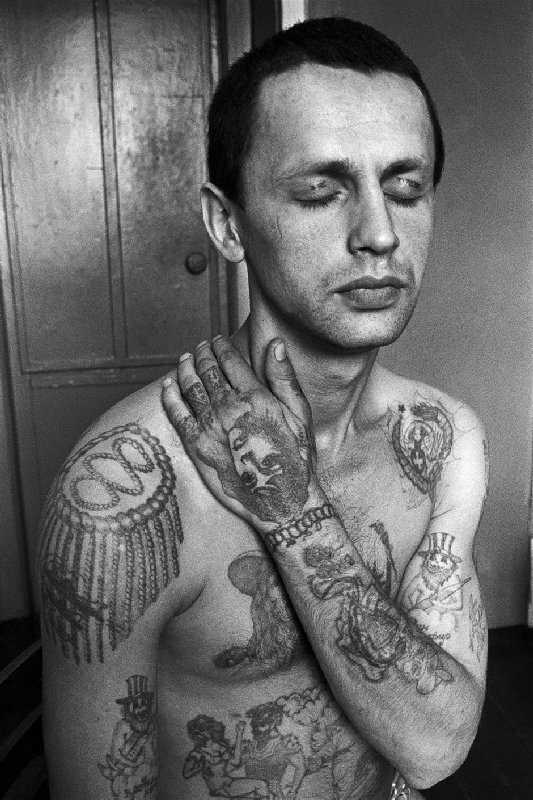
Воры в законе татуировки Тюремные и уголовные татуировки

Vor v Zakone part 2 Nazad (scan) by xiaongha on DeviantArt Idee per
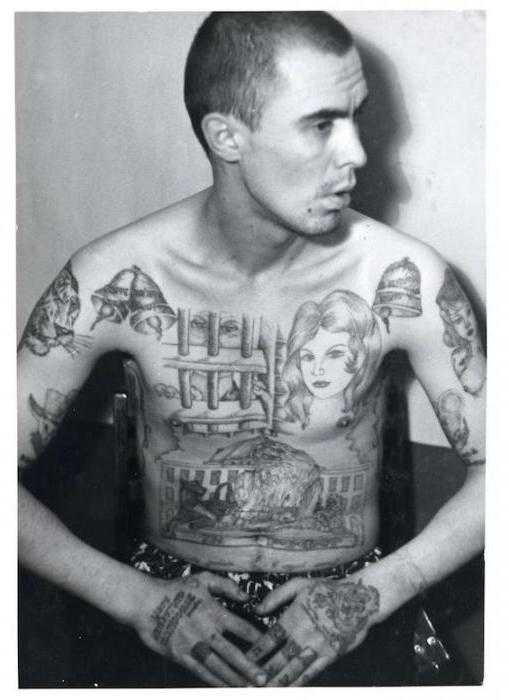
Воры в законе татуировки Тюремные и уголовные татуировки
Web Photographs Of Tattooed Soviet Prisoners, Held In Police Files Until Now, Are About To Be Published For The First Time.
Bbc Culture Decodes The Body Art.
Web A Dress Code, Tattoos And Even A Language Of Their Own Would Not Distinguish The Vory From Any Other Human Group That Lives In A Closed Space, Such As Sailors, Soldiers And Ordinary Convicts.
Web Vory V Zakone (Thieves Professing The Code) Occupied Places Of Great Respect And Authority In The Former Soviet Union Underworld.
Related Post: