
Moko Tattoo
Moko Tattoo - Web tā moko is the permanent marking or tattoo as traditionally practised by māori, the indigenous people of new zealand. It is one of the five main polynesian tattoo styles (the other four are marquesan, samoan, tahitian and hawaiian). Web māori brought this method of tattooing with them from eastern polynesia. Depending on their ranking, they may also have ta moko on their face. Web find out what ta moko means, why maori people have been carving their faces for centuries, and how people feel about these tattoos today. Ta moko was worn by both men and women. Women would haehae (cut) themselves with. The centuries old tradition of tāmoko (māori tattoo) is an important custom that is still practised today. Web it was a huge honour for people to have ta moko. Web the art of moko tattooing, deeply rooted in the cultural heritage of the maori people of new zealand, stands as a unique and enduring art form. Web it was a huge honour for people to have ta moko. It was applied to the face and buttocks of men, and to the chin, lips and shoulders of women. Ta moko was worn by both men and women. Web māori brought this method of tattooing with them from eastern polynesia. Web tā moko is the permanent marking or tattoo as traditionally practised by māori, the indigenous people of new zealand. Web find out what ta moko means, why maori people have been carving their faces for centuries, and how people feel about these tattoos today. These expressions and assertions of identity are reclaiming the mana of tā moko by māori as a people, and specifically as tangata whenua (people of the land). Moko originated in rituals of mourning for the dead. It is one of the five main polynesian tattoo styles (the other four are marquesan, samoan, tahitian and hawaiian). Known as moko, this ancient practice weaves a complex tapestry of historical origins, meticulous processes, cultural significance, and ongoing evolution. These expressions and assertions of identity are reclaiming the mana of tā moko by māori as a people, and specifically as tangata whenua (people of the land). The spiral motifs are distinctively māori. Moko originated in rituals of mourning for the dead. Depending on their ranking, they may also have ta moko on their face. Women would haehae (cut) themselves. Web tā moko is the permanent marking or tattoo as traditionally practised by māori, the indigenous people of new zealand. It is one of the five main polynesian tattoo styles (the other four are marquesan, samoan, tahitian and hawaiian). Web the art of moko tattooing, deeply rooted in the cultural heritage of the maori people of new zealand, stands as. Historically, these beautiful tattoos were a bit like a résumé, telling the wearer’s story through visual symbols. Web tā moko is the permanent marking or tattoo as traditionally practised by māori, the indigenous people of new zealand. As the art and practice of tāmoko (also known as tā moko) developed in isolation in aotearoa new zealand, māori pioneered the use. Women would haehae (cut) themselves with. Historically, these beautiful tattoos were a bit like a résumé, telling the wearer’s story through visual symbols. Web tā moko is the permanent marking or tattoo as traditionally practised by māori, the indigenous people of new zealand. Web māori brought this method of tattooing with them from eastern polynesia. These expressions and assertions of. Web tā moko is the permanent marking or tattoo as traditionally practised by māori, the indigenous people of new zealand. Web it was a huge honour for people to have ta moko. The spiral motifs are distinctively māori. Web in new zealand, māori developed techniques to cut deeply into the skin, producing grooved scars. Depending on their ranking, they may. Moko originated in rituals of mourning for the dead. The spiral motifs are distinctively māori. Web the art of moko tattooing, deeply rooted in the cultural heritage of the maori people of new zealand, stands as a unique and enduring art form. These expressions and assertions of identity are reclaiming the mana of tā moko by māori as a people,. Moko originated in rituals of mourning for the dead. These expressions and assertions of identity are reclaiming the mana of tā moko by māori as a people, and specifically as tangata whenua (people of the land). Historically, these beautiful tattoos were a bit like a résumé, telling the wearer’s story through visual symbols. Web find out what ta moko means,. Web in new zealand, māori developed techniques to cut deeply into the skin, producing grooved scars. As the art and practice of tāmoko (also known as tā moko) developed in isolation in aotearoa new zealand, māori pioneered the use of smaller, narrower uhi without teeth that cut grooves through the skin. Depending on their ranking, they may also have ta. Web the māori (indigenous people of new zealand) are known for their famous tā moko or moko — facial and body tattoos that unmistakably distinguish them from other indigenous peoples. As the art and practice of tāmoko (also known as tā moko) developed in isolation in aotearoa new zealand, māori pioneered the use of smaller, narrower uhi without teeth that. Web in new zealand, māori developed techniques to cut deeply into the skin, producing grooved scars. Known as moko, this ancient practice weaves a complex tapestry of historical origins, meticulous processes, cultural significance, and ongoing evolution. Historically, these beautiful tattoos were a bit like a résumé, telling the wearer’s story through visual symbols. Ta moko was worn by both men. These expressions and assertions of identity are reclaiming the mana of tā moko by māori as a people, and specifically as tangata whenua (people of the land). Known as moko, this ancient practice weaves a complex tapestry of historical origins, meticulous processes, cultural significance, and ongoing evolution. Women would haehae (cut) themselves with. Moko originated in rituals of mourning for the dead. Ta moko was worn by both men and women. Web find out what ta moko means, why maori people have been carving their faces for centuries, and how people feel about these tattoos today. Web the art of moko tattooing, deeply rooted in the cultural heritage of the maori people of new zealand, stands as a unique and enduring art form. The spiral motifs are distinctively māori. Web the māori (indigenous people of new zealand) are known for their famous tā moko or moko — facial and body tattoos that unmistakably distinguish them from other indigenous peoples. Web in new zealand, māori developed techniques to cut deeply into the skin, producing grooved scars. The centuries old tradition of tāmoko (māori tattoo) is an important custom that is still practised today. Depending on their ranking, they may also have ta moko on their face. As the art and practice of tāmoko (also known as tā moko) developed in isolation in aotearoa new zealand, māori pioneered the use of smaller, narrower uhi without teeth that cut grooves through the skin. Web māori brought this method of tattooing with them from eastern polynesia. It was applied to the face and buttocks of men, and to the chin, lips and shoulders of women.
Traditional Maori Tattoos Tattoo Designs Tribe Tattooing Ta Moko My
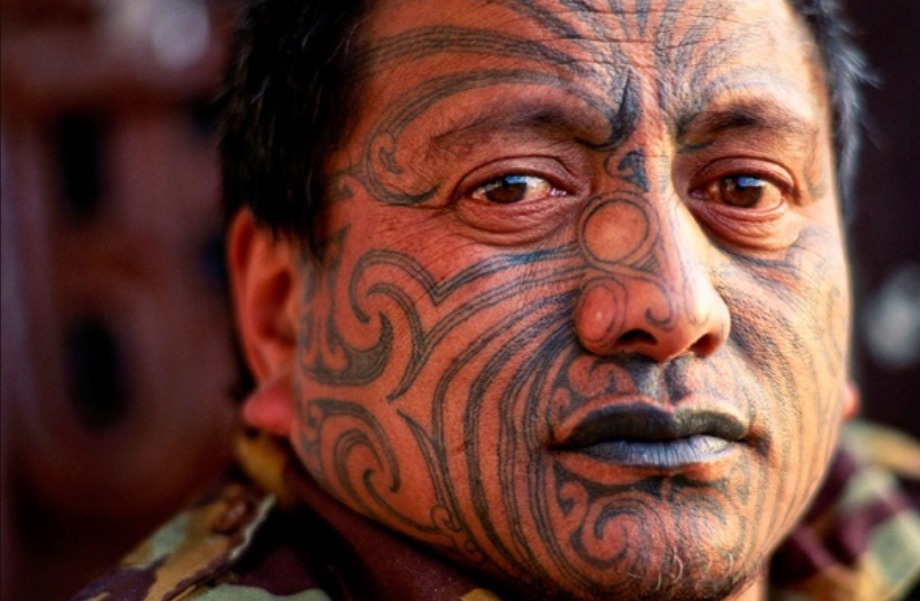
10 of the Weird Tattoo Facts in Some Parts of the World HenSpark

40 Best Maori Tattoo Designs And Meaning Of Ta Moko T vrogue.co

SHANE TATTOOS Moko Revisited 2
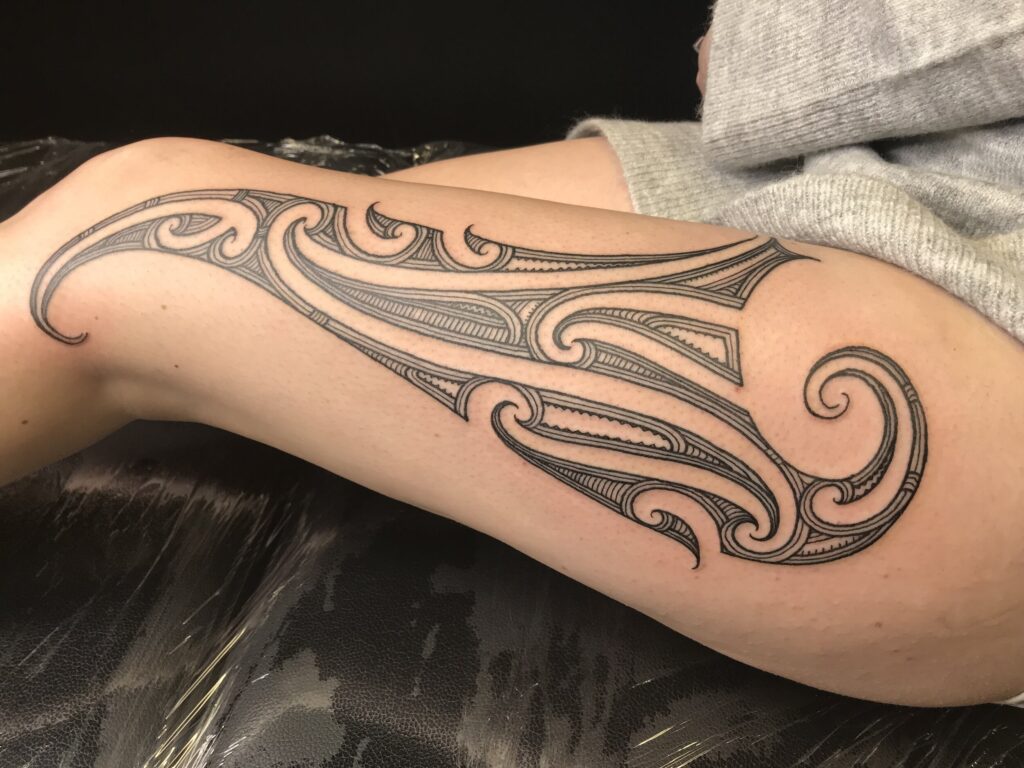
Tattoos Shane Tattoos

Ta Moko Done By Tattoos Maori Tattoo Maori Tattoo Des vrogue.co

Pin on Ta Moko / Maori Tattoo by Wiremu Barriball

moko art Pesquisa Google Polynesian tattoo, Tribal tattoos, Tribal

Moko Ti. Moko Ta. Moko Ora. Mauri Ora! Artist Turumakina Bookings

New Zealand Maori Face Tattoos
Web Tā Moko Is The Permanent Marking Or Tattoo As Traditionally Practised By Māori, The Indigenous People Of New Zealand.
Historically, These Beautiful Tattoos Were A Bit Like A Résumé, Telling The Wearer’s Story Through Visual Symbols.
It Is One Of The Five Main Polynesian Tattoo Styles (The Other Four Are Marquesan, Samoan, Tahitian And Hawaiian).
Web It Was A Huge Honour For People To Have Ta Moko.
Related Post: