
Keloid Scars And Tattoos
Keloid Scars And Tattoos - When keloids form, they can grow or become misshapen due to abnormal overgrowth of scar tissue as a wound heals. This article covers why keloid scars form and who is more likely to develop them. Web a keloid scar is a thick raised scar. It can occur wherever you have a skin injury but usually forms on earlobes, shoulders, cheeks or the chest. Keloids can have the following characteristics: Web learn about how to prevent, remove or flatten these problematic raised scars that form over scars from acne, tattoos, piercing and other injuries. The best way to prevent a keloid is to skip the body art and cosmetic procedures. Patients with a history of keloids should avoid skin piercings, tattoos, and unnecessary surgeries, as these may cause new keloids. Here’s what you can expect when you see a. Web the practice of inking over a keloid is called scar tattooing. Try a test spot first. Skin cells and connective tissue cells (fibroblasts) multiply and form a patch of tissue to bridge the the wound. There are health concerns over the issue since it could worsen it or cause skin conditions, but it’s a great way to conceal scar tissue. Some people get tattoo scars from their initial tattoos due to problems that arise during the tattooing process and healing. Web keloid scar tattoos. If you injure your skin, gently wash the area immediately with soap and water. Although they don't happen as often as keloid scars from piercings, keloids may also appear months to years after getting a tattoo. Raised areas around the tattoo caused by scar tissue: Learn the fast facts about types of tattoos, risks to consider, removals, and fda’s role in monitoring safety. They occur where trauma, surgery, blisters, vaccinations, acne or body piercing have injured the skin. If you injure your skin, gently wash the area immediately with soap and water. They occur where trauma, surgery, blisters, vaccinations, acne or body piercing have injured the skin. Read ratings & reviewsshop best sellersdeals of the dayshop our huge selection This keloid is called a “spontaneous keloid.” spontaneous keloids are rare, so there are only a few known cases.. This is primarily an issue for people who have or are prone to keloid scars. Skin cells and connective tissue cells (fibroblasts) multiply and form a patch of tissue to bridge the the wound. Web tattoo or cosmetic procedure: When keloids form, they can grow or become misshapen due to abnormal overgrowth of scar tissue as a wound heals. Patients. Some people get tattoo scars from their initial tattoos due to problems that arise during the tattooing process and healing. There are health concerns over the issue since it could worsen it or cause skin conditions, but it’s a great way to conceal scar tissue. Patients with a history of keloids should avoid skin piercings, tattoos, and unnecessary surgeries, as. Raised areas around the tattoo caused by scar tissue: Read ratings & reviewsshop best sellersdeals of the dayshop our huge selection A keloid is an abnormally formed scar. Some continue to grow for years. If a keloid develops over a shoulder or other joint, it can limit how far you can move. Scars happen when your body repairs any type of skin wound. Unlike normal scars that gradually fade over time, keloid scars can extend beyond the boundaries of the original injury, becoming raised, thickened, and larger than the initial wound. They can form anywhere on the body, including the area of the tattoo. Although they don't happen as often as keloid. It takes a lot of skill and time to safely and artfully tattoo over a keloid. Many people simply dislike the way keloids look. They can also occur after piercings, tattoos, or surgery. Although they don't happen as often as keloid scars from piercings, keloids may also appear months to years after getting a tattoo. Some continue to grow for. It’s also possible for a keloid to appear on uninjured skin. They can be much larger than the original wound. Some people get a keloid when they shave their beard area. If you acquire a tattoo and then discover elevated scars weeks or months later, you should get in touch with the international keloid & scar treatment center. What is. Web learn about how to prevent, remove or flatten these problematic raised scars that form over scars from acne, tattoos, piercing and other injuries. This content does not have an english version. They can be much larger than the original wound. They can also occur after piercings, tattoos, or surgery. Web keloids on tattoos are raised, red, and itchy scars. They occur where trauma, surgery, blisters, vaccinations, acne or body piercing have injured the skin. Wound caused by surgery, a procedure, or an injection. Web keloid scar tattoos. Web keloids on tattoos are raised, red, and itchy scars that appear after the healing process of a tattoo. It takes a lot of skill and time to safely and artfully tattoo. Skin cells and connective tissue cells (fibroblasts) multiply and form a patch of tissue to bridge the the wound. Less commonly, keloids may form in places where the skin has not had a. Web a keloid, or keloid scar, is a kind of overgrown scar, or an overly aggressive healing response to a wound. If a keloid develops over a. Try a test spot first. Patients with a history of keloids should avoid skin piercings, tattoos, and unnecessary surgeries, as these may cause new keloids. Learn the fast facts about types of tattoos, risks to consider, removals, and fda’s role in monitoring safety. Web a keloid scar is a type of abnormal tissue growth that occurs at the site of a skin injury, such as a wound, surgery, vaccination, or even minor scratches. Web keloid scars are defined as abnormal scars that are hard, smooth, and grow beyond the boundary of the original skin injury. The best way to prevent a keloid is to skip the body art and cosmetic procedures. Web keloids can also develop after you get a body piercing, a tattoo, or have surgery. Web compression or silicone bandaging. There are health concerns over the issue since it could worsen it or cause skin conditions, but it’s a great way to conceal scar tissue. Web a keloid can feel uncomfortable, itchy, or painful. This article covers why keloid scars form and who is more likely to develop them. In people prone to developing keloids, the healing process does not stop, and the body continues making too much scar tissue. Read ratings & reviewsshop best sellersdeals of the dayshop our huge selection They occur where trauma, surgery, blisters, vaccinations, acne or body piercing have injured the skin. This content does not have an english version. It can occur wherever you have a skin injury but usually forms on earlobes, shoulders, cheeks or the chest.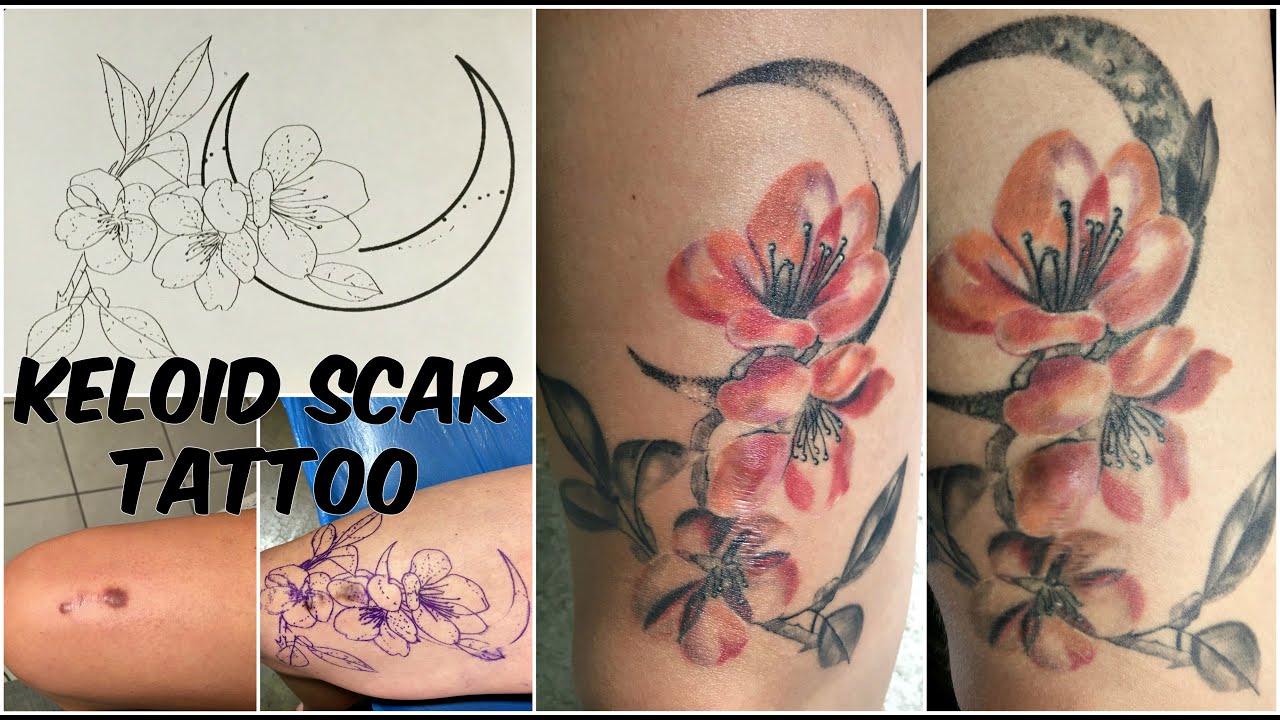
Keloid Scar Tattoo CoverUp Story & Tips YouTube
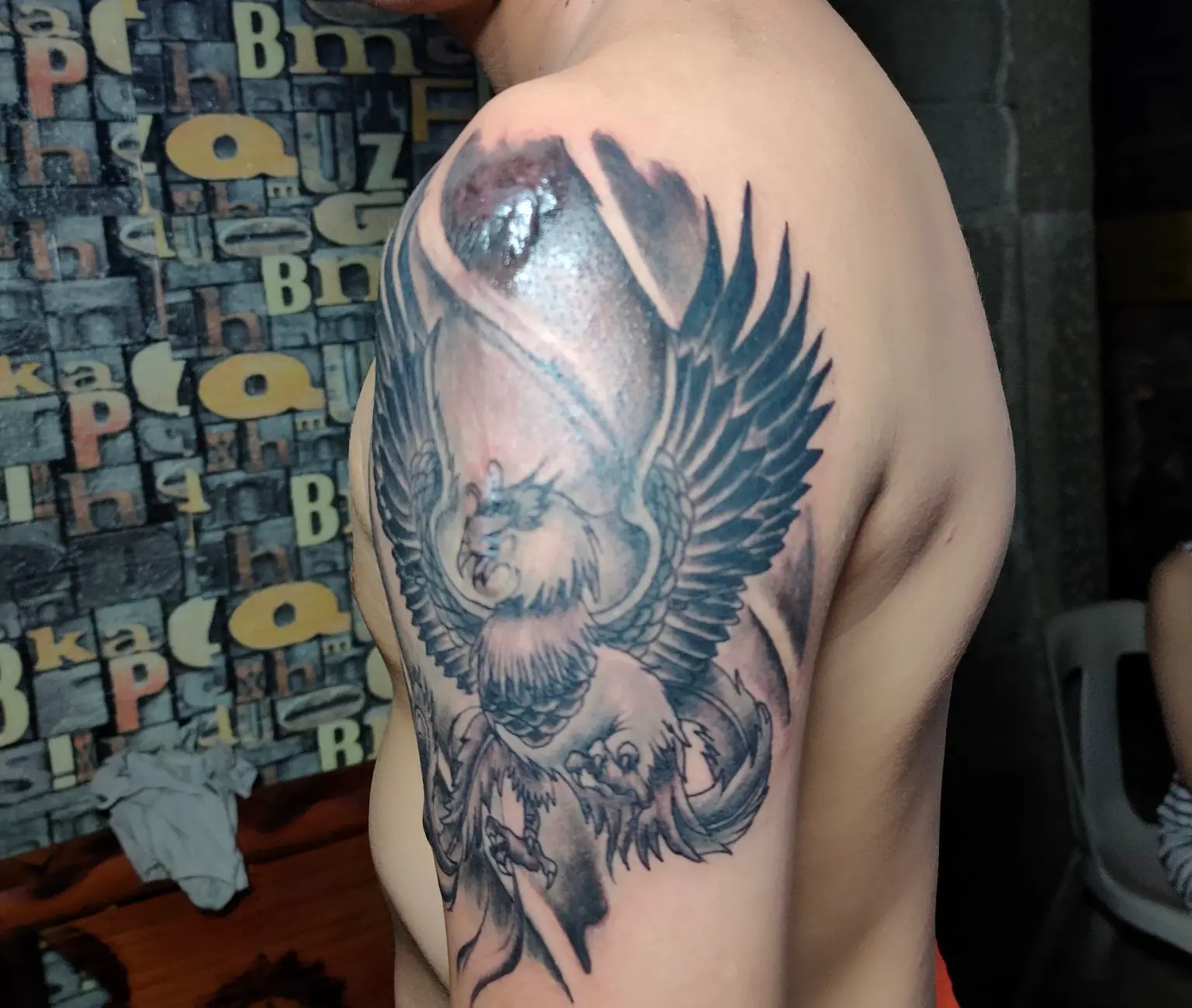
All About Keloid Scars And Tattoos Can Getting A Tattoo Cause Keloids
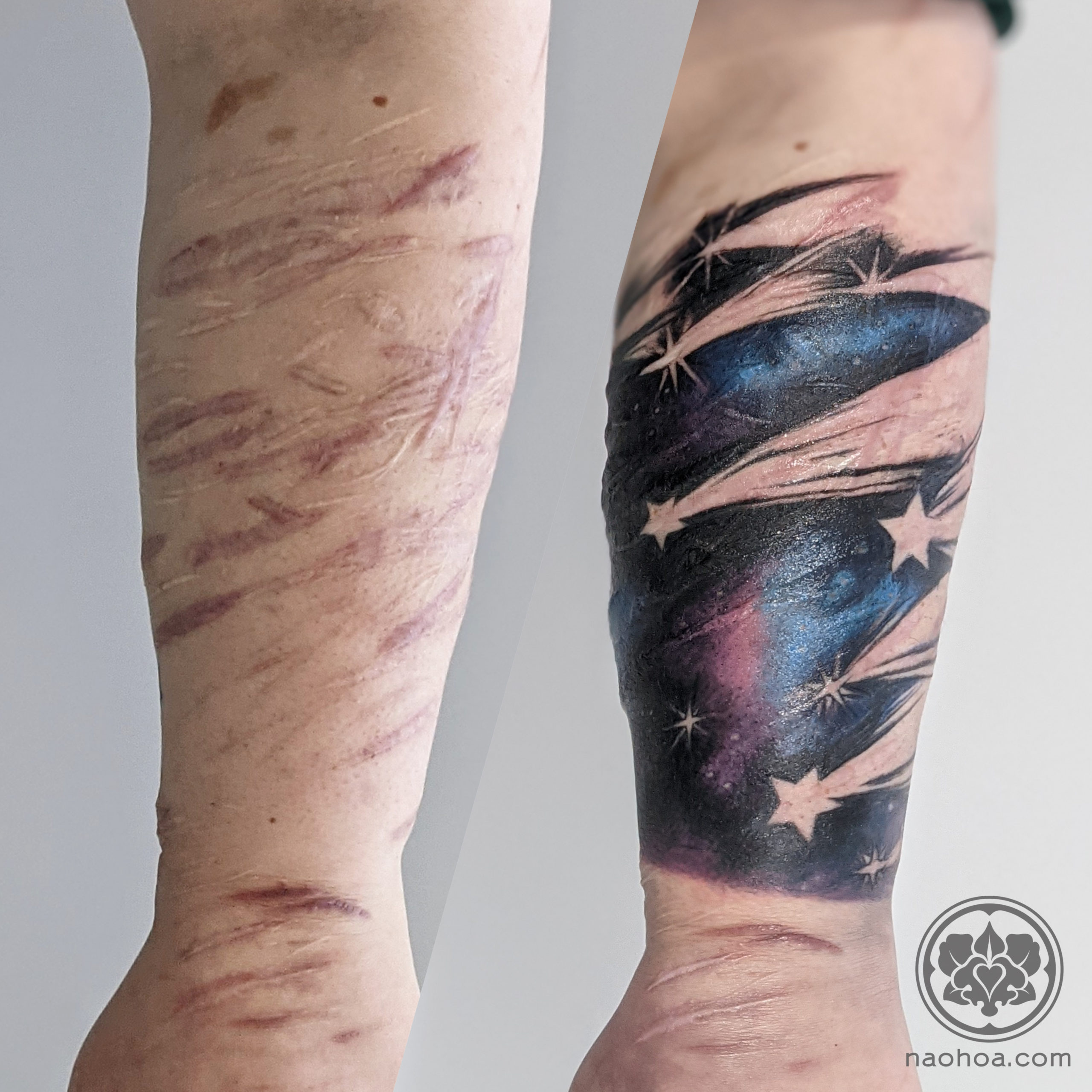
Details more than 68 tattoo over keloid scar
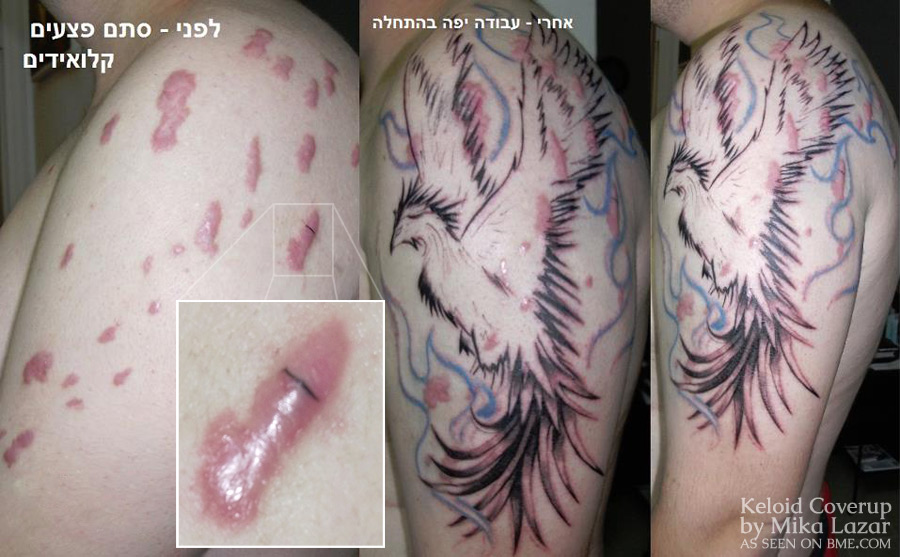
Share more than 53 keloid scars and tattoos in.cdgdbentre

Keloid Tattoo Scar Causes, Treatment, and Precautions Tattoo Glee

Sun Flower Keloid Scar Cover Up TattooMy First Tattoo ExperienceBusy

Introducing Chest Keloid Tattoo For Stunning Results
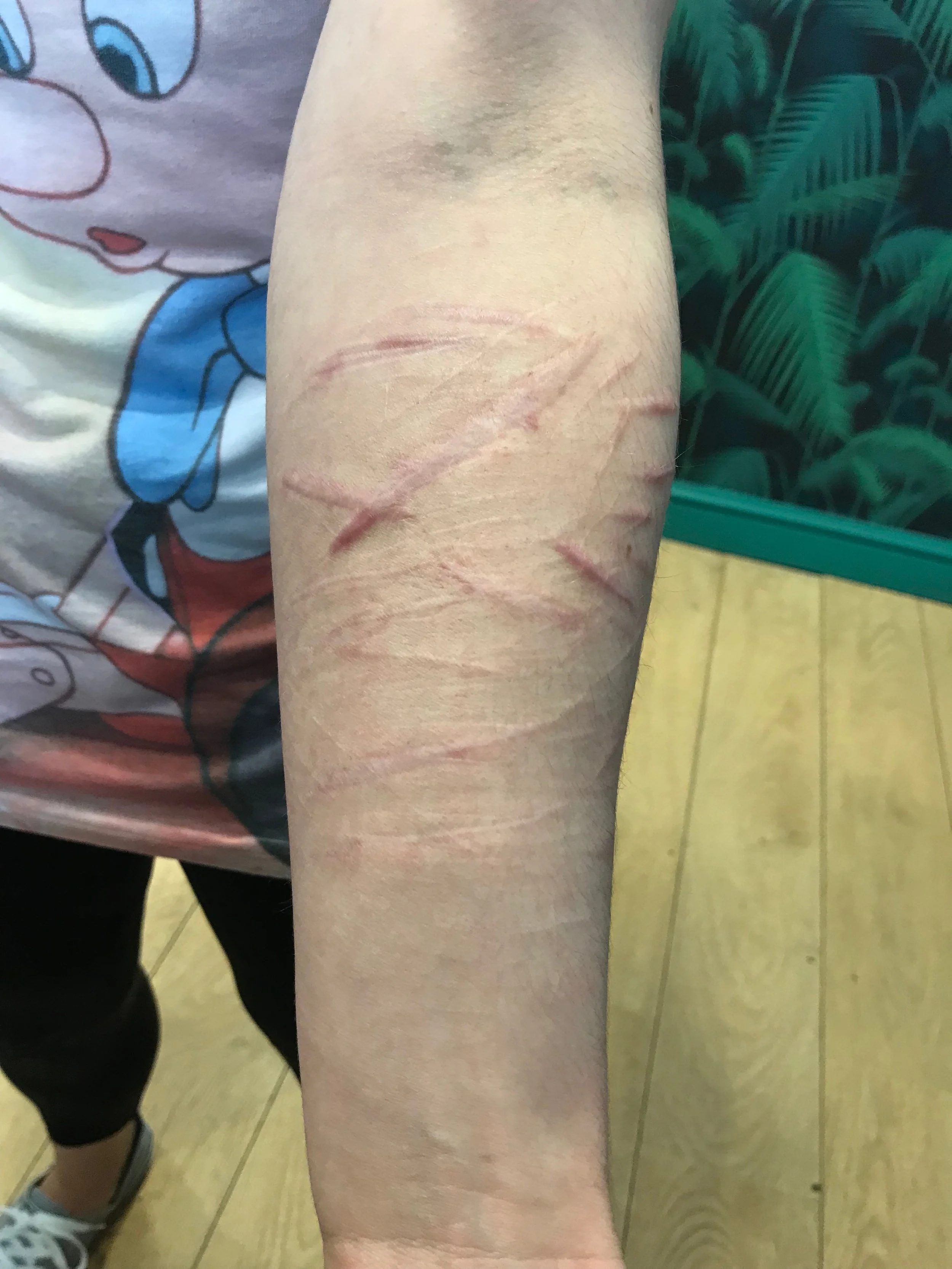
Details more than 68 tattoo over keloid scar

33+ Can You Tattoo Over Keloid Scars SethiShahira

33+ Can You Tattoo Over Keloid Scars SethiShahira
Scars, Which Form As A Response To A Wound Such As A Minor Burn, Cut, Or Abrasion, Are.
Less Commonly, Keloids May Form In Places Where The Skin Has Not Had A.
When Keloids Form, They Can Grow Or Become Misshapen Due To Abnormal Overgrowth Of Scar Tissue As A Wound Heals.
What Is A Keloid Scar?
Related Post: