
Coconut Oil On Fresh Tattoos
Coconut Oil On Fresh Tattoos - One of the significant advantages of using coconut oil for tattoo aftercare is its natural composition. Coconut oil is also considered antibacterial. This also means there is very little risk of causing ink fading, or irritation on a sensitive area of skin such as a new tattoo. Web yes, you can use coconut oil on tattoos. It does need to breath so don’t slather it. Highly moisturizing to the skin. You’re getting a crisp musk. Web using coconut oil on tattoos can be beneficial for protecting, nourishing, and enhancing their appearance. Fatty acids found in coconut oil help retain the skin’s natural moisture, meaning the new tattoos won’t dry out. Web yes, it is possible to use coconut oil for tattoos at every stage after getting inked. It can also reduce itching and redness, which are common side effects of getting a tattoo. It helps to keep the skin hydrated and assists new tattoos to heal correctly. Web many question during the aftercare process if you can safely use coconut oil on a fresh tattoo. Curious about why it is such a good home remedy? You want to avoid refined, bleached and deodorised coconut oil as these are usually extracted from dried copra. Web the answer is yes, you can put coconut oil on a tattoo. Overall, coconut oil can be a safe and effective moisturizer for new tattoos, but it’s best to wait until the tattoo has fully healed before using it. Coconut oil is gentle enough to use during any stage of the tattoo process, including on new tattoos [1]. Studies have shown that applying coconut oil as a moisturizer to dry skin is highly effective and safe. Web yes, it is generally safe to apply coconut oil on a fresh tattoo. Along with lauric acid, coconut oil is also rich in capric and caprylic acids, other antimicrobial compounds. Coconut oil can moisturize and soothe the skin, which can promote faster healing and prevent scarring. Web the answer is yes, you can put coconut oil on a tattoo. Oo < this is the size of the aquaphor i use on my large. Web benefits of using coconut oil on new tattoos: However, you should take extra caution when applying coconut oil to new tattoos, as it can increase the risk of infections. Pure coconut oil is free of synthetic fragrances, chemicals, and additives commonly found in commercial skincare products. Web coconut oil is something i see recommended for tattoo care in the. Web i was only interested in knowing whether anyone else had used it directly on their tattoo or not because of an all natural salve that i had received which contained a variety of skincare oils (rosehip seed oil, coconut oil, jojoba oil, and more). Pure coconut oil is free of synthetic fragrances, chemicals, and additives commonly found in commercial. Coconut oil helps rejuvenate the skin after it goes through the process of tattooing. It does need to breath so don’t slather it. Oo < this is the size of the aquaphor i use on my large tattoo. Coconut oil is gentle enough to use during any stage of the tattoo process, including on new tattoos [1]. It repairs the. I used coconut oil on all of mine and it worked out great. Web coconut oil is safe to use on tattoos and offers many remedial properties that can contribute to the fast and effective healing of a new tattoo. Web research has further shown that it can improve skin barrier function and promote wound healing. Pure coconut oil is. Web thanks to high levels of lauric acid — a known antimicrobial compound—coconut oil tattoo cream when applied to a fresh tattoo, can reduce the risk of infection as the skin is healing. It does need to breath so don’t slather it. This article explains the benefits of coconut oil for tattoos, how to apply it, and possible side effects. Coconut oil helps rejuvenate the skin after it goes through the process of tattooing. Web coconut oil is something i see recommended for tattoo care in the long term (but not aftercare), and when i talked to my artist about it, she told me that she had one of her clients use coconut oil, and appereantly his tattoos faded. For. The answer is that coconut oil is absolutely safe to use on new tattoos and offers a wide array of healing and restorative properties to the skin. Here are some reasons why coconut oil is considered safe and beneficial for. Web i use an unscented lotion and a tiny bit of aquaphor to hold the moisture in. You’re getting a. It can also reduce itching and redness, which are common side effects of getting a tattoo. It helps to keep the skin hydrated and assists new tattoos to heal correctly. Web by allure editors. Tattoo aftercare cream has a thick consistency and might prevent your skin from breathing. Along with lauric acid, coconut oil is also rich in capric and. Web applying coconut oil to a fresh tattoo can lead to complications such as clogging the pores and causing infection. Along with lauric acid, coconut oil is also rich in capric and caprylic acids, other antimicrobial compounds. However, you should take extra caution when applying coconut oil to new tattoos, as it can increase the risk of infections. Web using. Web a thin layer of coconut oil can be used as a natural tattoo aftercare product for moisturizing the tattooed skin and aid healing and overall retention of skin moisture. The answer is that coconut oil is absolutely safe to use on new tattoos and offers a wide array of healing and restorative properties to the skin. Pure coconut oil is free of synthetic fragrances, chemicals, and additives commonly found in commercial skincare products. However, you should take extra caution when applying coconut oil to new tattoos, as it can increase the risk of infections. Web for tattoos, i highly recommend you use virgin, extra virgin or unrefined coconut oil to ensure the best quality (in terms of nutrients, colour and taste). It helps to keep the skin hydrated and assists new tattoos to heal correctly. Crisp, clean, refreshed—your august allure beauty box is all about ways to feel fresh and reset during this steamy summer month. Web thanks to high levels of lauric acid — a known antimicrobial compound—coconut oil tattoo cream when applied to a fresh tattoo, can reduce the risk of infection as the skin is healing. Web i was only interested in knowing whether anyone else had used it directly on their tattoo or not because of an all natural salve that i had received which contained a variety of skincare oils (rosehip seed oil, coconut oil, jojoba oil, and more). It can also reduce itching and redness, which are common side effects of getting a tattoo. Highly moisturizing to the skin. For example, coconut oil is made up of a number of nutrients that are natural antiseptics, meaning they can help keep the skin safe from microbial infections—a big potential risk with tattoos. Web coconut oil is something i see recommended for tattoo care in the long term (but not aftercare), and when i talked to my artist about it, she told me that she had one of her clients use coconut oil, and appereantly his tattoos faded. You want to avoid refined, bleached and deodorised coconut oil as these are usually extracted from dried copra. Studies have shown that applying coconut oil as a moisturizer to dry skin is highly effective and safe. Along with lauric acid, coconut oil is also rich in capric and caprylic acids, other antimicrobial compounds.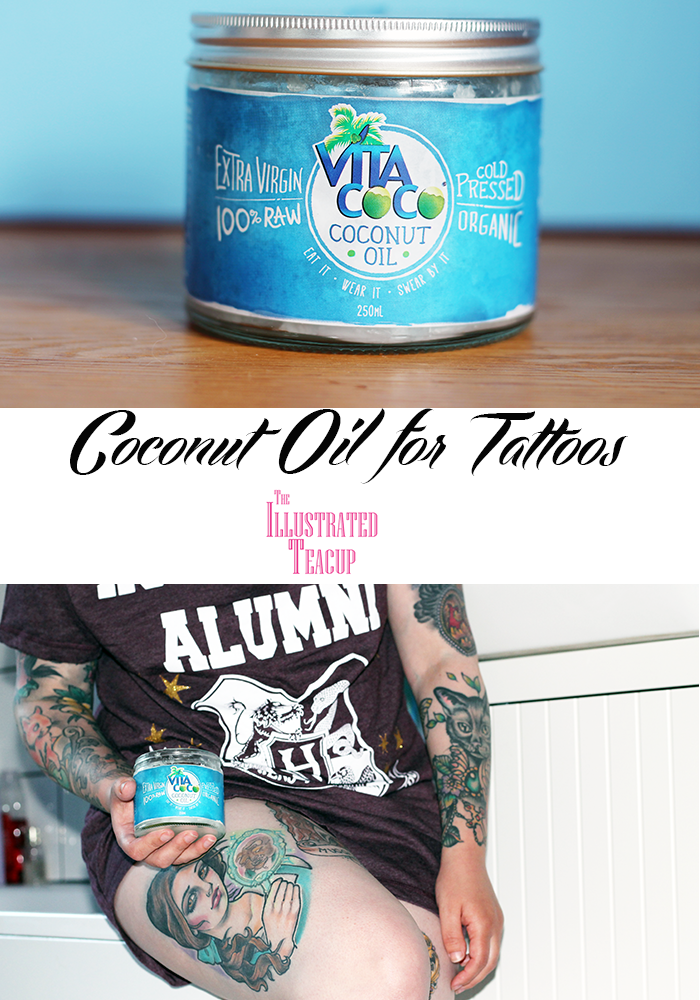
Tattoo healing with coconut oil Illustrated Teacup

35 Coconut Oil On TattooCoconut Oil
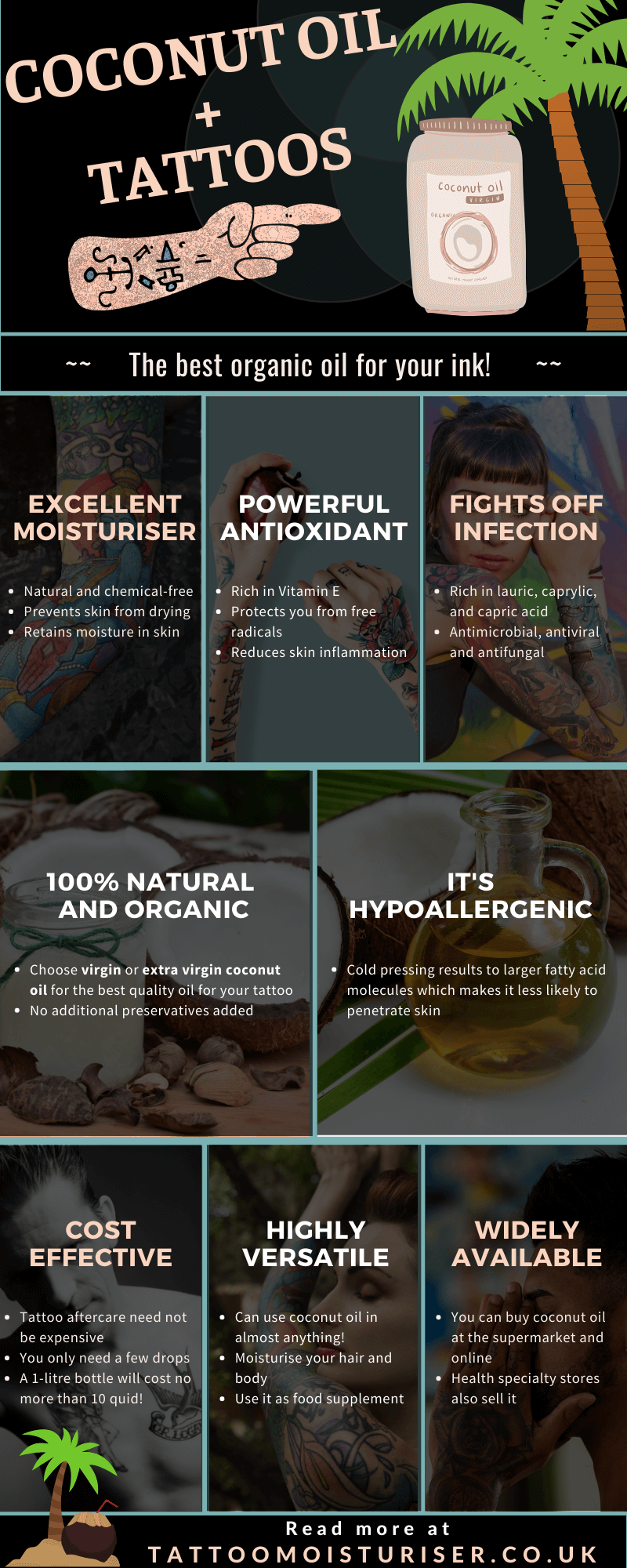
Can You Put Lotion On A New Tattoo? Here’s Why You Should… Tattoo
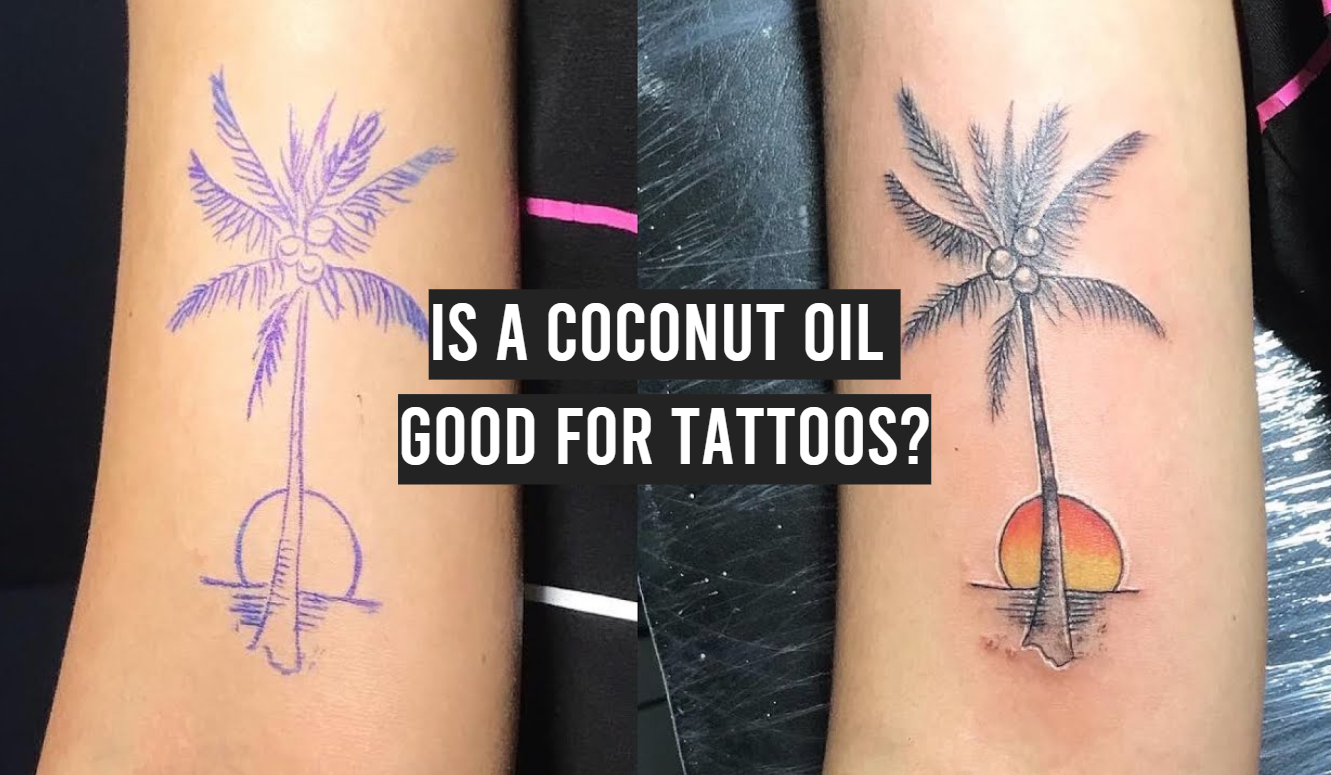
40+ Can You Put Coconut Oil On A New Tattoo

40+ Can You Put Coconut Oil On A New Tattoo

40 Coconut Tattoo Designs For Men Tropical Fruit Ink Ideas

10 Reasons Why Coconut Oil Is The Perfect Tattoo Aftercare Product

Benefits of Using Coconut Oil on Your New Tattoo

Using coconut oil on tattoos 7 pros and cons Artofit

Ways to Use Coconut Oil For Tattoos Healthyish YOU
This Also Means There Is Very Little Risk Of Causing Ink Fading, Or Irritation On A Sensitive Area Of Skin Such As A New Tattoo.
Web By Allure Editors.
Web Coconut Oil Offers Many Health Benefits That Aid In The Healing Process Of A Tattoo.
Web Research Has Further Shown That It Can Improve Skin Barrier Function And Promote Wound Healing.
Related Post: